
🌙 Japanese Names That Mean Moonlight Girl
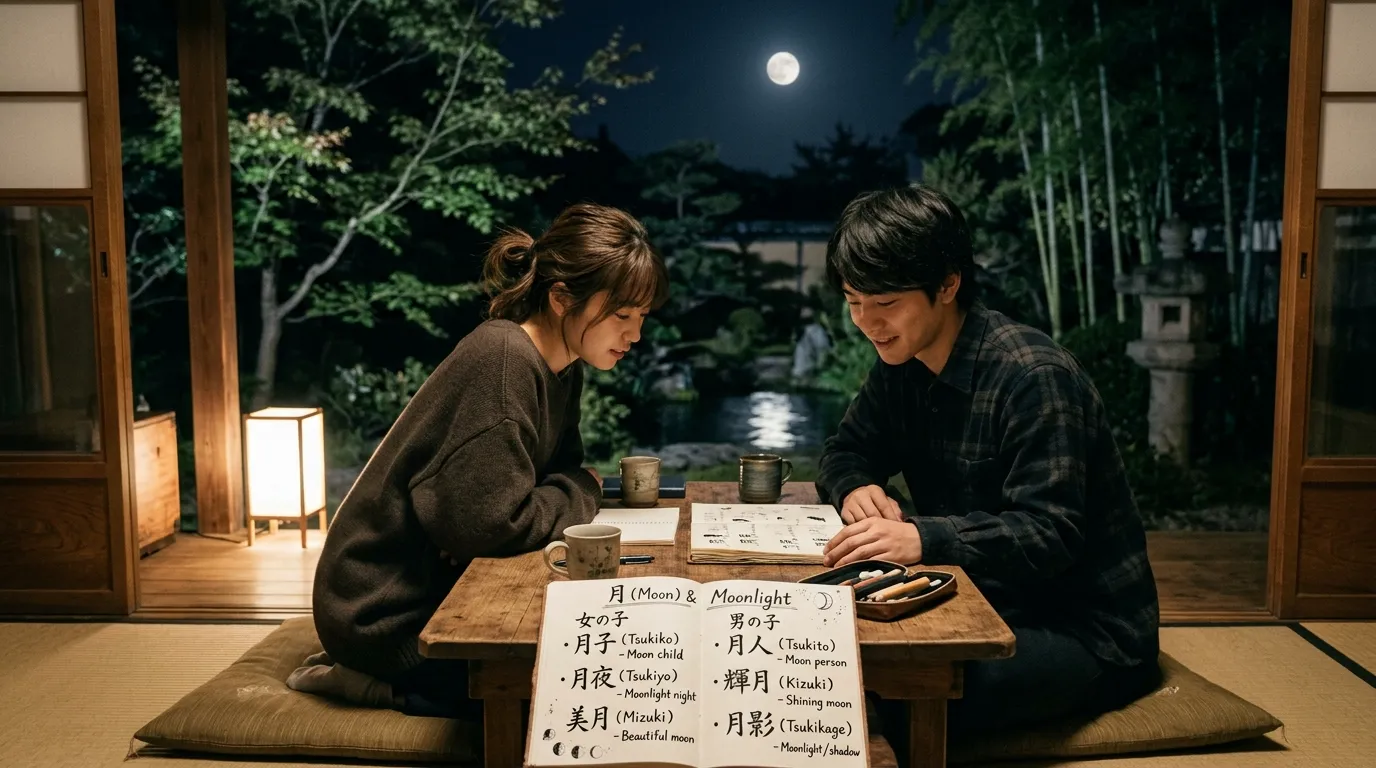
Tsukiko – Moon child
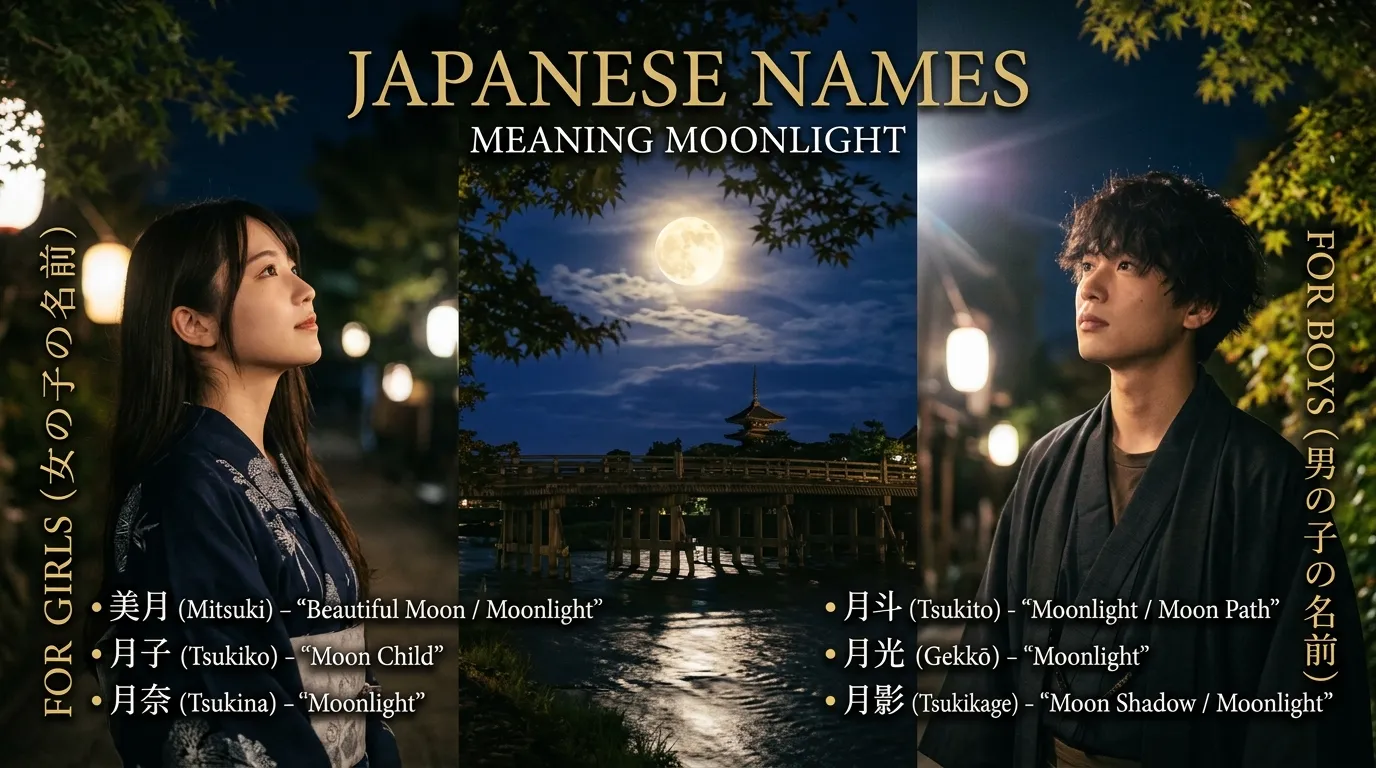
Mizuki – Beautiful moon, depending on kanji
Getsumi – A moon-inspired name with a gentle sound
Tsukina – Moon greens or moon name, depending on kanji
Runa – A modern name associated with the moon
Luna – Moon; an international name popular in Japan
Kaguya – Inspired by Princess Kaguya, the legendary moon princess
Hazuki – Leaf moon or August moon, depending on kanji
Mitsuki – Beautiful moon or light of the moon, depending on kanji
Akari – Light or brightness
Hikari – Light
Sayuki – Clear snow or little happiness, depending on kanji
Natsuki – Summer hope, depending on kanji
Satsuki – Fifth month or May
Yuzuki – Gentle moon or moon, depending on kanji
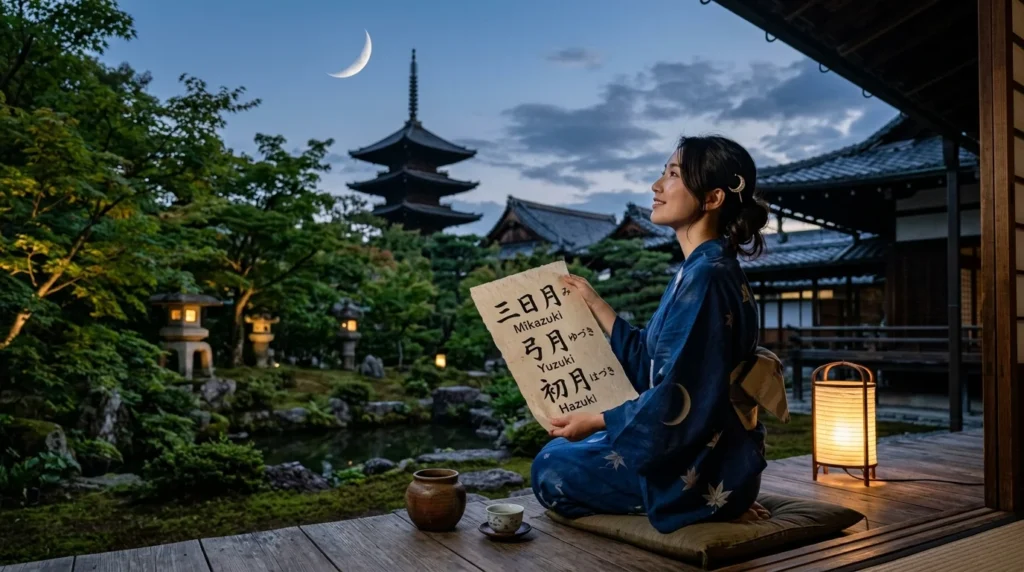
Mikazuki – Crescent moon
Shizuku – Droplet
Hoshiko – Star child
Tsukiyo – Moonlit night
Amane – Heavenly sound, depending on kanji
🌕 Japanese Names That Mean Moonlight Male
Tsukito – Moon person, depending on kanji
Mitsuki – Beautiful moon or light, depending on kanji
Mizuki – Beautiful moon or tree, depending on kanji
Akimitsu – Bright light, depending on kanji
Kousei – Light or brilliance, depending on kanji
Hikaru – Light or radiance
Teruki – Shining tree, depending on kanji
Haruki – Spring tree, depending on kanji
Raito – A Japanese rendering of “light”
Tsukiya – A moon-inspired name
Yuzuki – Gentle moon or moon, depending on kanji
Kaito – Ocean and flight, depending on kanji
Sora – Sky
Subaru – The Pleiades star cluster
Hoshito – Star person, depending on kanji
Akira – Bright or clear
Reito – A modern name with meanings depending on kanji
Seiya – Star arrow or sacred night, depending on kanji
Gekkou – Moonlight
Tsukasa – A traditional Japanese given name with meanings depending on kanji
🌙 Japanese Names That Mean Crescent Moon Male
Mikazuki – Crescent moon
Tsukito – Moon person, depending on kanji
Yuzuki – Moon-inspired name, depending on kanji
Mitsuki – Beautiful moon or light, depending on kanji
Mizuki – Beautiful moon, depending on kanji
Gekkou – Moonlight
Getsuya – Moon-night-inspired name
Tsukiya – Moon-inspired name
Tsukihiko – Moon prince, as a creative interpretation
Kousei – Light or brilliance, depending on kanji
Hikaru – Light or radiance
Akimitsu – Bright light, depending on kanji
Seiya – Star arrow or sacred night, depending on kanji
Subaru – The Pleiades star cluster
Hoshito – Star person, depending on kanji
Raito – A Japanese rendering of “light”
Haruki – Spring tree, depending on kanji
Reito – A modern name with meanings depending on kanji
Sora – Sky
Tsukiharu – A creative moon-and-spring-inspired name
🌒 Japanese Names That Mean Crescent Moon Girl
Mikazuki – Crescent moon
Mizuki – Beautiful moon, depending on kanji
Mitsuki – Beautiful moon or light, depending on kanji
Yuzuki – Moon-inspired name, depending on kanji
Tsukiko – Moon child
Tsukina – Moon-inspired name, depending on kanji
Kaguya – Inspired by the moon princess of Japanese folklore
Hazuki – Leaf moon, depending on kanji
Runa – A modern moon-associated name
Satsuki – Fifth month or May
Hoshizora – Starry sky
Tsukiyo – Moonlit night
Mikoto – A traditional name with meanings depending on kanji
Akari – Light or brightness
Hikari – Light
Hina – Sunlight or greens, depending on kanji
Sayaka – Clear or bright, depending on kanji
Amane – Heavenly sound, depending on kanji
Luna – Moon
Tsukimi – Moon viewing
🌙 Japanese Names That Mean Crescent Moon Boy
Mikazuki – Crescent moon
Gekkou – Moonlight
Tsukito – Moon-inspired name, depending on kanji
Tsukiya – Moon-inspired name
Mitsuki – Beautiful moon or light, depending on kanji
Mizuki – Beautiful moon, depending on kanji
Yuzuki – Moon-inspired name, depending on kanji
Tsukihiko – Creative name meaning moon prince
Getsuya – Moon-night-inspired name
Seiya – Star arrow or sacred night, depending on kanji
Subaru – The Pleiades star cluster
Hikaru – Light or radiance
Akira – Bright or clear
Raito – A Japanese rendering of “light”
Kousei – Light or brilliance, depending on kanji
Hoshito – Star person, depending on kanji
Haruki – Spring tree, depending on kanji
Reito – Modern name with meanings depending on kanji
Sora – Sky
Tsukiharu – Creative moon-and-spring-inspired name
✨ Japanese Girl Names That Mean Moon or Stars
Tsukiko – Moon child
Mizuki – Beautiful moon, depending on kanji
Mitsuki – Beautiful moon or light, depending on kanji
Hoshiko – Star child
Hoshi – Star
Subaru – The Pleiades star cluster
Seira – A name with meanings depending on kanji
Satsuki – Fifth month or May
Hazuki – Leaf moon, depending on kanji
Yuzuki – Moon-inspired name, depending on kanji
Runa – A modern moon-associated name
Kaguya – Legendary moon princess
Tsukina – Moon-inspired name, depending on kanji
Mikazuki – Crescent moon
Tsukiyo – Moonlit night
Hoshimi – Star beauty, depending on kanji
Akari – Light or brightness
Hikari – Light
Amane – Heavenly sound, depending on kanji
Kira – A modern name associated with sparkle in popular usage
🌘 Japanese Names That Mean Crescent Moon Female
Mikazuki – Crescent moon
Tsukiko – Moon child
Mitsuki – Beautiful moon or light, depending on kanji
Mizuki – Beautiful moon, depending on kanji
Yuzuki – Moon-inspired name, depending on kanji
Hazuki – Leaf moon, depending on kanji
Tsukina – Moon-inspired name, depending on kanji
Tsukimi – Moon viewing
Tsukiyo – Moonlit night
Kaguya – Legendary moon princess
Runa – Modern moon-associated name
Luna – Moon
Hoshiko – Star child
Hoshimi – Star beauty, depending on kanji
Seira – Modern Japanese given name with meanings depending on kanji
Akari – Light or brightness
Hikari – Light
Satsuki – Fifth month or May
Amane – Heavenly sound, depending on kanji
Mikoto – Traditional name with meanings depending on kanji
🌸 Japanese Names That Mean Moon Flower
Tsukihana – Moon flower, as a creative name
Getsuka – Moon flower, depending on kanji
Mizuki – Beautiful moon or tree, depending on kanji
Mitsuki – Beautiful moon or light, depending on kanji
Yuuka – Gentle flower or fragrance, depending on kanji
Hana – Flower
Hanako – Flower child
Sakurako – Cherry blossom child
Tsukiko – Moon child
Kaguya – Inspired by the moon princess
Rinka – Dignified flower or flower fragrance, depending on kanji
Sumire – Violet
Ayaka – Colorful flower, depending on kanji
Hina – Sunlight or greens, depending on kanji
Nanoka – Seventh day or flower-related meanings, depending on kanji
Kaori – Fragrance
Koharu – Little spring
Hoshihana – Star flower, as a creative name
Lunahana – Moon flower, as a modern blended name
Tsukihanae – A poetic, moon-and-flower-inspired name
Japanese Names That Mean Crescent Moon
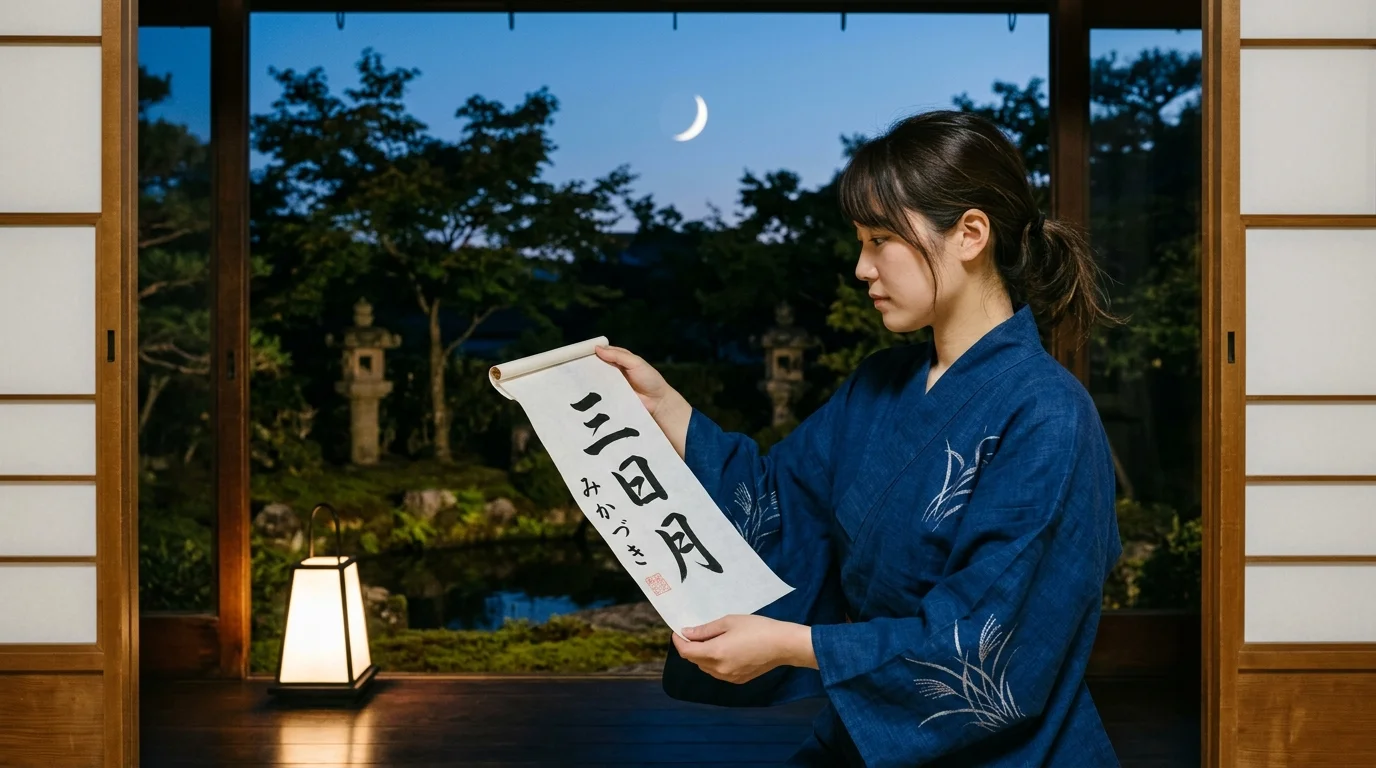
The Japanese word Mikazuki is the clearest answer when looking for a name meaning “crescent moon.” Other options describe related lunar phases and imagery.
- Mikazuki — Crescent moon
- Tsuki — Moon
- Shingetsu — New moon
- Mangetsu — Full moon
- Meigetsu — Bright moon
- Tsukiyo — Moonlit night
- Gekkō — Moonlight
- Gesshō — Moonlight
- Gekkei — Moonlight
- Yūgetsu — Evening moon
- Ugetsu — Rainy moon
- Seigetsu — Clear moon
- Tsukimi — Moon viewing
- Tsukiko — Moon child
- Tsukino — Of the moon
- Mizuki — Moon-associated with suitable kanji
- Kaguya — Associated with the Moon Princess
- Yozora — Night sky
- Hoshi — Star
- Sora — Sky
Mikazuki is the strongest choice if the crescent shape itself is the most important part of the meaning.
Japanese Girl Names Inspired by the Crescent Moon
Moon imagery works beautifully for feminine names. These choices range from direct lunar references to softer names inspired by nighttime beauty.
- Mikazuki — Crescent moon
- Tsukiko — Moon child
- Tsukimi — Moon viewing
- Tsukiyo — Moonlit night
- Mizuki — Moon-associated depending on kanji
- Tsukino — Of the moon
- Kaguya — Moon-associated
- Gekkō — Moonlight
- Meigetsu — Bright moon
- Yūgetsu — Evening moon
- Ugetsu — Rainy moon
- Seigetsu — Clear moon
- Gesshō — Moonlight
- Gekkei — Moonlight
- Yozora — Night sky
- Hoshiko — Star child
- Hoshimi — Star viewing
- Hikari — Light
- Akari — Light
- Sora — Sky
Tsukiko offers a gentle, feminine feeling, while Mikazuki feels more mysterious and poetic.
Rare Japanese Names Connected With the Moon
If you want something unusual, lunar vocabulary can provide wonderful inspiration. Just remember that a rare Japanese word is not automatically a traditional given name.
- Mikazuki — Crescent moon
- Tsukiyo — Moonlit night
- Tsukimi — Moon viewing
- Shingetsu — New moon
- Meigetsu — Bright moon
- Yūgetsu — Evening moon
- Ugetsu — Rainy moon
- Seigetsu — Clear moon
- Gesshō — Moonlight
- Gekkei — Moonlight
- Gekkō — Moonlight
- Mangetsu — Full moon
- Tsukino — Of the moon
- Tsukiko — Moon child
- Yozora — Night sky
- Hoshimi — Star viewing
- Hoshizora — Starry sky
- Tsukikage — Moon shadow or moonlight
- Kaguya — Moon-associated
- Mizuki — Moon-associated depending on kanji
These are excellent choices for fictional characters, creative projects, or parents seeking an uncommon celestial concept.
Japanese Boy Names Inspired by the Moon
Lunar names can also work for boys. Some are direct moon words, while others use broader ideas such as light and sky.
- Tsuki — Moon
- Getsu — Moon
- Gekkō — Moonlight
- Meigetsu — Bright moon
- Seigetsu — Clear moon
- Shingetsu — New moon
- Mangetsu — Full moon
- Yūgetsu — Evening moon
- Gesshō — Moonlight
- Gekkei — Moonlight
- Yozora — Night sky
- Hikari — Light
- Hikaru — Light
- Akira — Bright or clear
- Sora — Sky
- Hoshi — Star
- Kō — Light-associated depending on kanji
- Rei — Multiple meanings depending on kanji
- Ren — Multiple meanings depending on kanji
- Haru — Spring
For an actual given name, Hikaru, Akira, Sora, and Ren can feel more natural than poetic lunar terms.
Japanese Unisex Names With Moon and Sky Meanings
If you prefer a gender-neutral option, names connected with light, sky, stars, and nature can create a lovely lunar theme.
- Sora — Sky
- Hikari — Light
- Hikaru — Light
- Akira — Bright or clear
- Rei — Varies by kanji
- Ren — Varies by kanji
- Yuki — Varies by kanji
- Haru — Spring
- Nagi — Calm
- Aoi — Varies by kanji
- Kaoru — Fragrance
- Hoshi — Star
- Tsuki — Moon
- Getsu — Moon
- Mizuki — Moon-associated depending on kanji
- Yozora — Night sky
- Kei — Varies by kanji
- Rin — Varies by kanji
- Kō — Varies by kanji
- Runa — Moon-inspired modern usage
Sora and Hikari are especially appealing if you want a soft celestial feeling without making the moon meaning too literal.
Japanese Names That Mean Moon
If “crescent moon” is too specific, choosing a name connected with the moon itself gives you more possibilities.
- Tsuki — Moon
- Getsu — Moon
- Mikazuki — Crescent moon
- Tsukiko — Moon child
- Tsukimi — Moon viewing
- Tsukiyo — Moonlit night
- Mizuki — Moon-associated with certain kanji
- Shingetsu — New moon
- Mangetsu — Full moon
- Meigetsu — Bright moon
- Seigetsu — Clear moon
- Yūgetsu — Evening moon
- Ugetsu — Rainy moon
- Gekkō — Moonlight
- Gesshō — Moonlight
- Gekkei — Moonlight
- Tsukino — Of the moon
- Kaguya — Moon-associated
- Tsukikage — Moon shadow or moonlight
- Runa — Modern moon-inspired choice
When choosing a Japanese name, always verify the exact kanji. The same spoken name can have very different meanings when written differently.
Japanese Names That Mean Moonlight
Moonlight is a beautiful alternative if you want something softer than “crescent moon.”
- Gekkō — Moonlight
- Gesshō — Moonlight
- Gekkei — Moonlight
- Tsukikage — Moon shadow or moonlight
- Tsukiyo — Moonlit night
- Meigetsu — Bright moon
- Seigetsu — Clear moon
- Yūgetsu — Evening moon
- Hikari — Light
- Akari — Light
- Hikaru — Light
- Teru — Shine or illuminate
- Teruko — Shining child
- Kō — Light-associated
- Mizuki — Moon-associated depending on kanji
- Tsukiko — Moon child
- Yozora — Night sky
- Tsukimi — Moon viewing
- Tsukino — Of the moon
- Kaguya — Moon-associated
Gekkō is the most direct poetic choice when the image of moonlight matters more than the moon’s shape.
Japanese Names Inspired by the Night Sky
The crescent moon is only one part of a beautiful nighttime scene. Stars, clouds, darkness, and the sky can all inspire a name.
- Yozora — Night sky
- Hoshizora — Starry sky
- Hoshi — Star
- Hoshiko — Star child
- Hoshimi — Star viewing
- Sora — Sky
- Tsuki — Moon
- Mikazuki — Crescent moon
- Tsukiyo — Moonlit night
- Gekkō — Moonlight
- Yoru — Night
- Hikari — Light
- Akari — Light
- Hikaru — Light
- Kaguya — Moon-associated
- Mizuki — Moon-associated
- Tsukino — Of the moon
- Runa — Moon-inspired
- Seira — Celestial-inspired
- Amane — Heavenly-associated depending on kanji
Yozora creates one of the clearest images: a quiet sky filled with the beauty of night.
Japanese Names Inspired by New Beginnings and the Crescent Moon
A crescent moon can represent a beginning. It appears as a small curve before growing toward a fuller phase, making it a natural symbol of hope, growth, renewal, and possibility.
- Mikazuki — Crescent moon
- Shingetsu — New moon
- Hajime — Beginning
- Arata — New or fresh
- Shin — New or true depending on kanji
- Nozomi — Hope
- Kibo — Hope
- Mirai — Future
- Hikari — Light
- Akari — Light
- Hikaru — Light
- Akira — Bright or clear
- Haru — Spring
- Asahi — Morning sun
- Minori — Fruit or harvest
- Megumi — Blessing
- Sachi — Happiness
- Yui — Varies by kanji
- Nagi — Calm
- Sora — Sky
These names are especially meaningful if you see the crescent moon as a symbol of fresh starts rather than simply a celestial object.
Japanese Nature Names With Lunar Beauty
Japanese naming traditions often draw inspiration from the natural world. Pairing lunar imagery with flowers, seasons, water, wind, or sky can create a wider nature theme.
- Tsuki — Moon
- Mikazuki — Crescent moon
- Hoshi — Star
- Sora — Sky
- Yuki — Snow
- Hana — Flower
- Sakura — Cherry blossom
- Aki — Autumn
- Haru — Spring
- Natsu — Summer
- Fuyu — Winter
- Kumo — Cloud
- Kiri — Mist
- Ame — Rain
- Umi — Sea
- Nami — Wave
- Kaze — Wind
- Yoru — Night
- Hikari — Light
- Asahi — Morning sun
A name such as Yuki or Sakura does not mean crescent moon, but it can pair beautifully with a lunar naming theme.
Japanese Names Inspired by Kaguya and Lunar Legends
One of the most famous Japanese lunar stories is The Tale of the Bamboo Cutter, which features Kaguya-hime. The mysterious princess is discovered inside a bamboo stalk and is eventually revealed to have a connection to the Moon.
Names inspired by this story can bring a magical, literary quality to a lunar theme.
- Kaguya — Moon-associated
- Kaguya-hime — Princess Kaguya
- Tsukiko — Moon child
- Mikazuki — Crescent moon
- Tsukimi — Moon viewing
- Tsukiyo — Moonlit night
- Tsukino — Of the moon
- Mizuki — Moon-associated depending on kanji
- Gekkō — Moonlight
- Meigetsu — Bright moon
- Shingetsu — New moon
- Mangetsu — Full moon
- Yūgetsu — Evening moon
- Ugetsu — Rainy moon
- Seigetsu — Clear moon
- Yozora — Night sky
- Hoshi — Star
- Hoshiko — Star child
- Sora — Sky
- Hikari — Light
Kaguya is the standout choice if you want your name to have a strong connection with Japanese lunar storytelling.